I can pinpoint the exact moment that I learned to hate reading fiction.
I was six years old and sitting in class, happy as a lamb inhaling the book I’d picked up.
‘Oh dear, what was this doing in there? You shouldn’t be reading this.’ My teacher lifted the book away from me, and told me to chose another.
She either didn’t realise it or didn’t care, but she’d broken my heart.
I had already looked through all the other books, and they were all boring.
I respected these other books, especially as they’d introduced me to the word, ‘everybody’. It was the biggest, and therefore the best word I knew at the time.
However, the other books followed the same story. There was always a group of children, a magic key, and sometimes a dog.
The book I had picked up was wildly different – it was about weather systems.
It was full of crazy things that left a stain on my memory that remains to this day.
I’ll share a few highlights:
All snowflakes are unique, and they’re like trees. When a snowflake is born, it tumbles about in its cloud. How many times does it tumble before it falls?
Well, you can find out in the same way you calculate the age of a tree: slice it open, and count the rings.
The number of rings equals the number of tumbles.
Shouldn’t every six year old be told this about their favourite type of weather?(1)
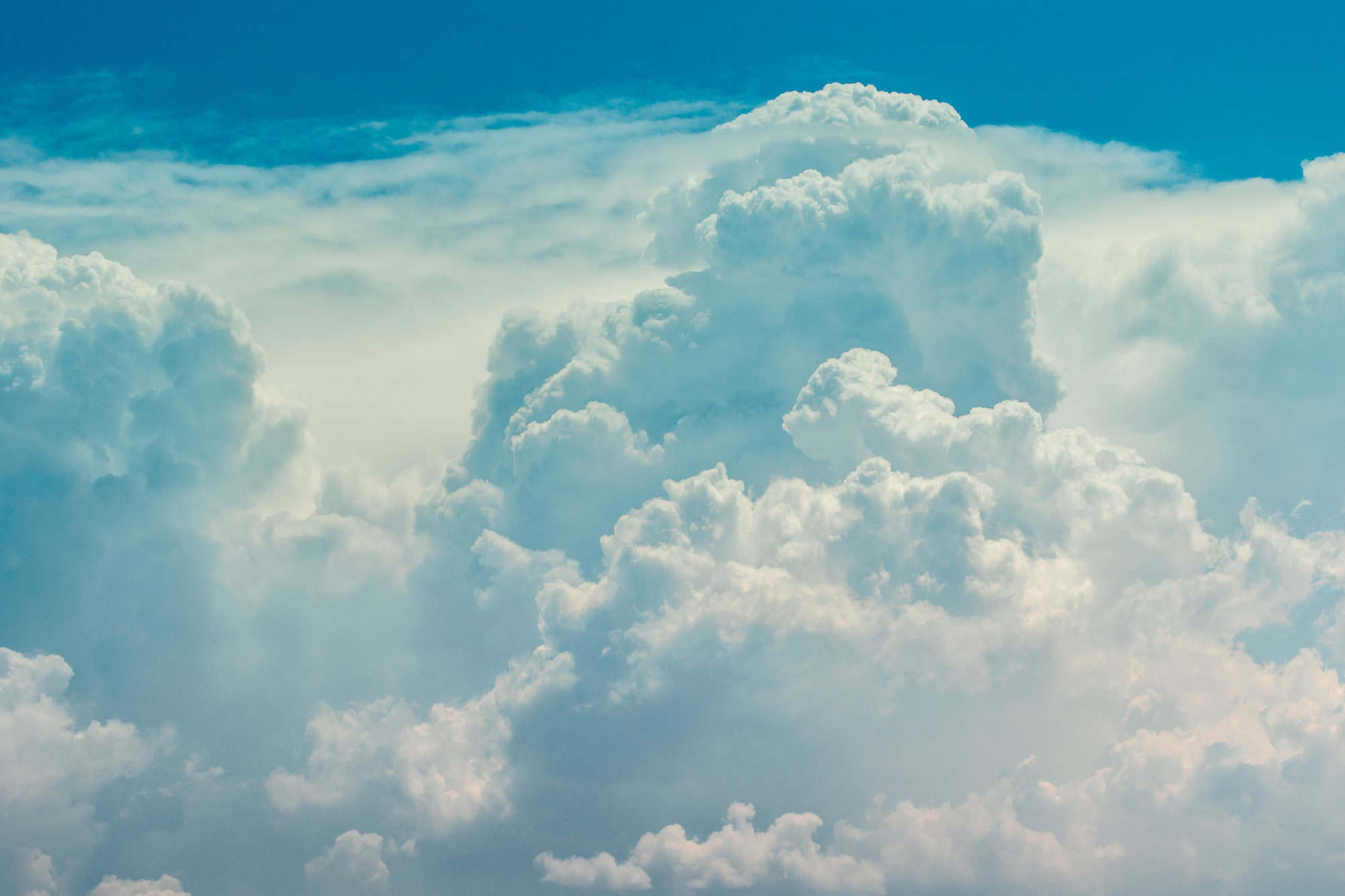
Also, clouds, those things that float above our heads and strike awe in children everywhere, have different names.
Cirrus clouds were my favourite back then. Probably because it’s fun to say.
Cirrus.
My primary school teacher was following the rules. Children were meant to read fiction, not non-fiction during story time. The rule baffles me even to this day. Surely we should be reading that which interests us?
The incident marked a turning point for me.
In my eyes, fiction, these made up stories that told me nothing about how the world works, had become the enemy.
After that, I avoided it like Brussels sprouts.
It was stupid in hindsight, though heart-break has a habit of making people do stupid things.
Embittered by the experience, I would live with this handicap for ten years.
It was then that I lost a debate with my Year 11 English teacher.
‘What’s the point in knowing how to do things, when you don’t know what’s worth doing?’.
She paused.
‘Non-fiction will teach you how the world works today, but fiction will help you imagine the world of tomorrow’.
My efforts to read for leisure started small and grew enormous after that. My gateway books were manga, Japanese comics.
I’m not sure if that’s what people “should” read. To my knowledge, mangas don’t feature on any ‘Great works of literature’ lists – not even ‘Death Note’, which is a shame.(2)
However, reading what you love until you love to read was my attitude.
Fiction fed my imagination, and non-fiction helped me realise what I was imagining.
That’s something no one tells you when you start your career. Your imagination is important.
Playbooks, templates, and recipes do exist at big companies, but they’re flawed.
They only help with things that are repeatable. However, a small change can make their recipes redundant, and our circumstances are changing faster than ever nowadays.
One of my managers at Airbnb made this plain when I asked if we had any reference documents for a pilot we were launching.
‘No. What we’re building has never been done before.’
Without recipes, what’s left? Our judgement to decide the best plan of action, and our ability to execute and adjust.
That is, balancing the possibilities with what’s possible.
Fiction with non-fiction.
Stay curious,
Jamie
(1) My least favourite type is gusty. It spoils every other type of weather.
(2) ’Death Note’ was the manga that piqued my interest in Moral Philosophy. The premise is that there is a notebook that will kill a person if you write their name in it. You learn this on the first page, so I trust you don’t think I’ve spoiled anything for you, especially as the real thrill comes from the moral speed bumps thrown in along the way. So, whose name would you write?