This Week: The medicine of a holiday • The creative cost of remembering too much and how to let go • Lessons from another three months of writing Jamie's Journal • My Favourite Finds • The Darkroom
Not My Problem
I didn’t realise my body was a blabbermouth, but there it was, giving away all my secrets like some toddler who had learned to talk but not the art of discretion.
Apparently my back and arms were supple and smiling, so my physio assumed I’d been lazing in the tropics.
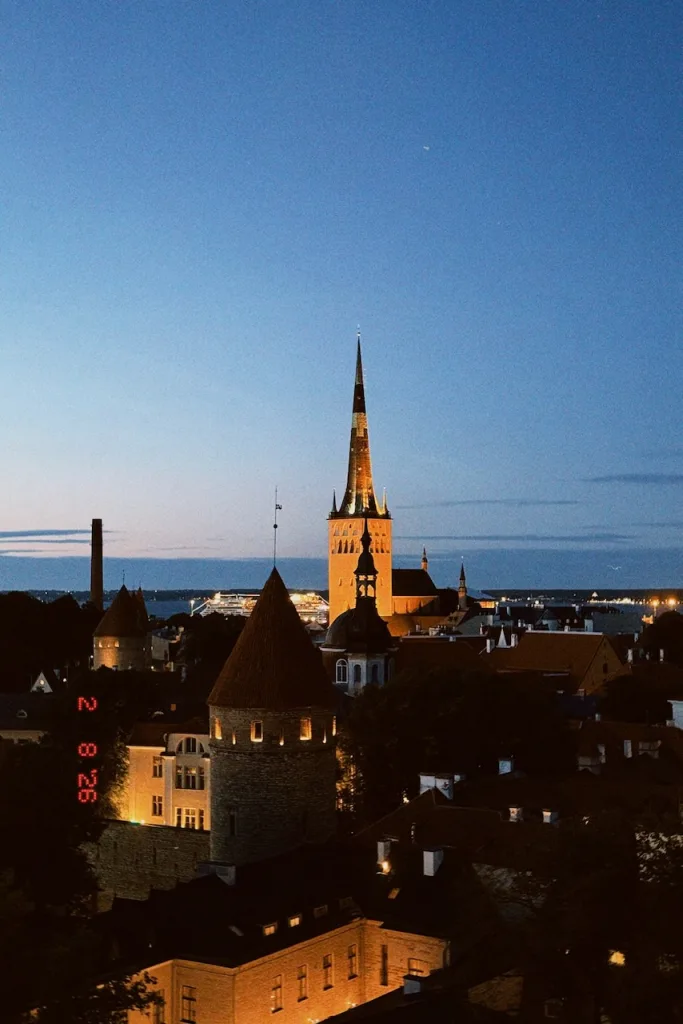
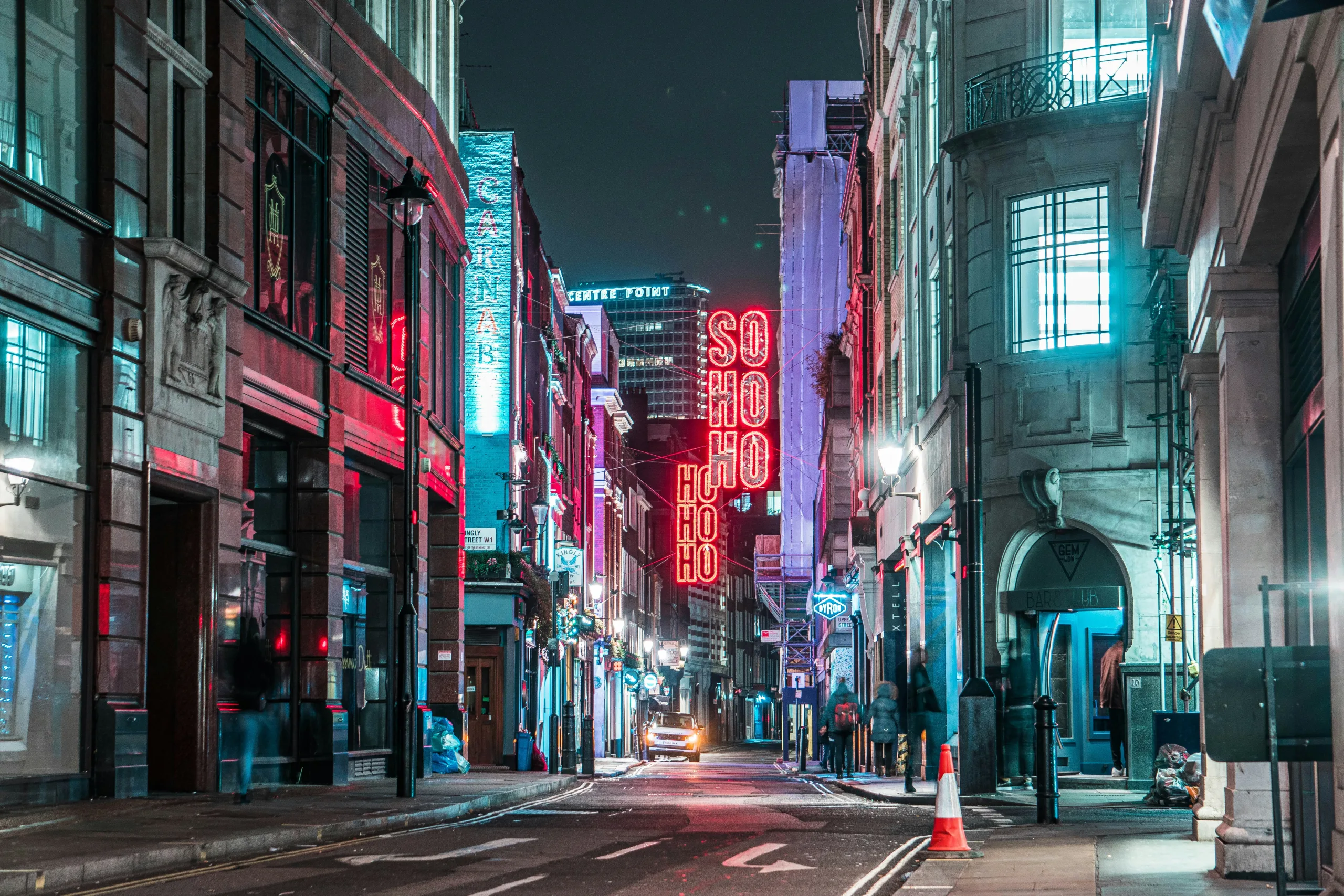
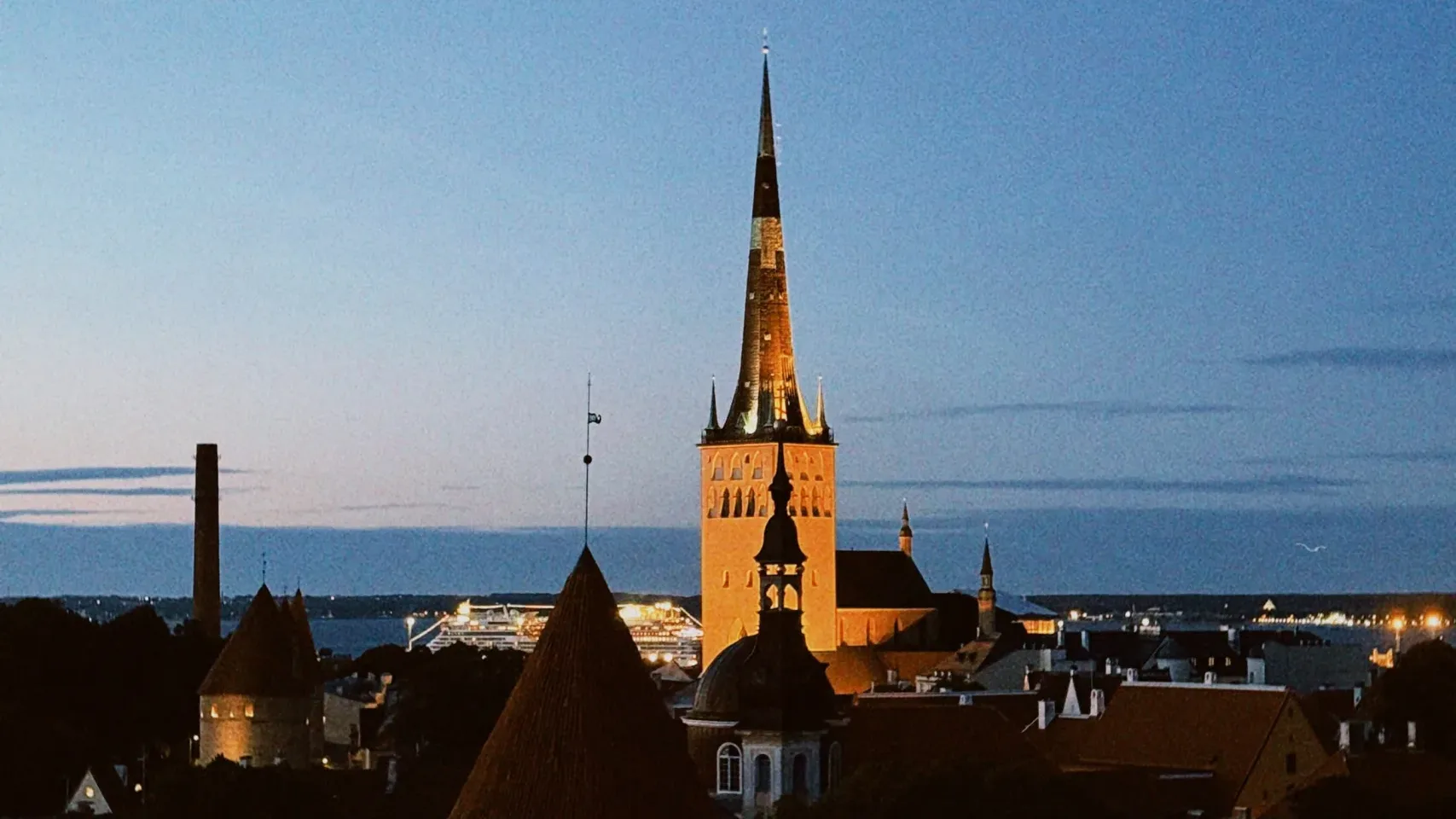
He was half-right. I’ve been in Tallinn, Estonia, the northernmost city in the Baltics, in a country neighbouring Russia. It was wet, cool and cobblestoned, which didn’t bother me, as London has been going through a heatwave and I don’t wear high heels.
It was the first time in a long time that I’ve actually been able to switch off and have a real holiday, in contrast to one of those stupid “working holidays” where I’m still a coil of stress but with authentically foreign food in my belly.
I think I was about ten years old. We’d had a lesson involving the idea of a to-do list, which got me thinking: did my parents have a to-do list, or was this just something you did at school, like finger-painting or circle time?
‘Son, I’ve got a to-do list as long as my arm.’
This was my dad’s reply, which was crazy to me because he had the arms of a giant. I imagined invisible ink running from his wrist to his armpit: paint the garage door, renegotiate the insurance, sign school permission slips, investigate why the car rattles when turning left, figure out how to stop the fox using the garden as a toilet – we’re not even at the elbow yet.
Now I’m all grown up, I can see the ink, except it’s on my arms, written in jet-black capital letters, and pinching my shoulders into a shrug.
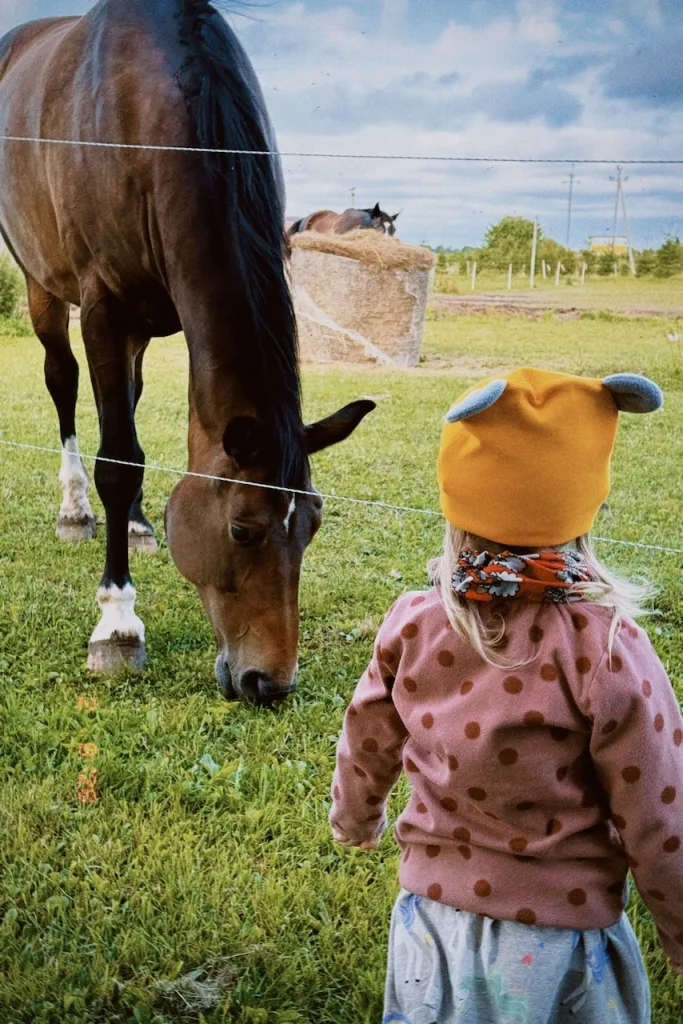
Walking through the airport arrivals gate and seeing my buddy and goddaughter, the ink started to fade, and finally vanished when the triumphant three-year-old came out from behind her dad’s legs with flapping hands to tell me she could fly.
Alcohol recovery groups have this term: ‘pulling a geographic’. You uproot your life and move to another town, ideally in another county, state or continent. The bigger the move, the better. All your past reminders and routines shrink in the rear-view mirror, and you’re free to build a new, bigger, better life.
The wisdom is that these “geographics” rarely work because, wherever you go, there you are. All your bad habits are inside you, so they find a way to manifest themselves in spite of your new time zone.
I mean, maybe. Sitting in the passenger seat, being driven by my buddy, I felt great. I didn’t need to fix anything: the empty-headed Tesla driver changing lanes without signalling – not my problem. The Airbnb’s spotty Wi-Fi – not my problem. Coordinating the itinerary for the wedding I was attending – not my problem.
It was a nice change from when I’m at home and surrounded by tripwires, every inch of my flat setting off a flurry of alerts for things I need to mend, process, tidy, fold, assemble, recycle, exhume – the verbs are endless.
Being a passenger for a while had another upshot: I could write with my hand more.
For years I’ve been rehabilitating my hand so that I can hold a pen again. My mum’s passing and drafting Oxford Notes created this bladed knot in my body. It’s been more distressing than I would have guessed.
I’ve felt like a dog who’s lost his woof.
With delight, I can confirm that I drafted this by hand. I had to work in ten-minute bursts to avoid my arm seizing up. But if I play it right, I can think again with the grace and clarity of a pen, and look down at the page with recognition rather than dysmorphia.
‘If I could, I’d tell everyone to stop work, go live in paradise, and let them feel the pain and stress melt off their bodies,’ my physio postured. ‘But we’re in the real world. We need to find a way to manage it all and not carry too much.’
I agreed and took out my card to pay.
‘Oh, sorry, the card machine is broken.’
I see. He’s testing me. I cleared my throat.
‘That’s not my problem.’
Feel free to reply to this message or share your questions, requests, and favourite finds here.
Jamie | @JamoeMills
☀️ From a summer-loving London
Find a better way to solve problems that matter.
P.S. I've refined the editorial mission of Jamie's Journal to focus on the 'examined life'. I'll also be making some more design tweaks to the newsletter to upgrade the reading experience. See The Fish's Tail below for more details.
Articles & Guides
The Creative Cost Of Remembering Too Much
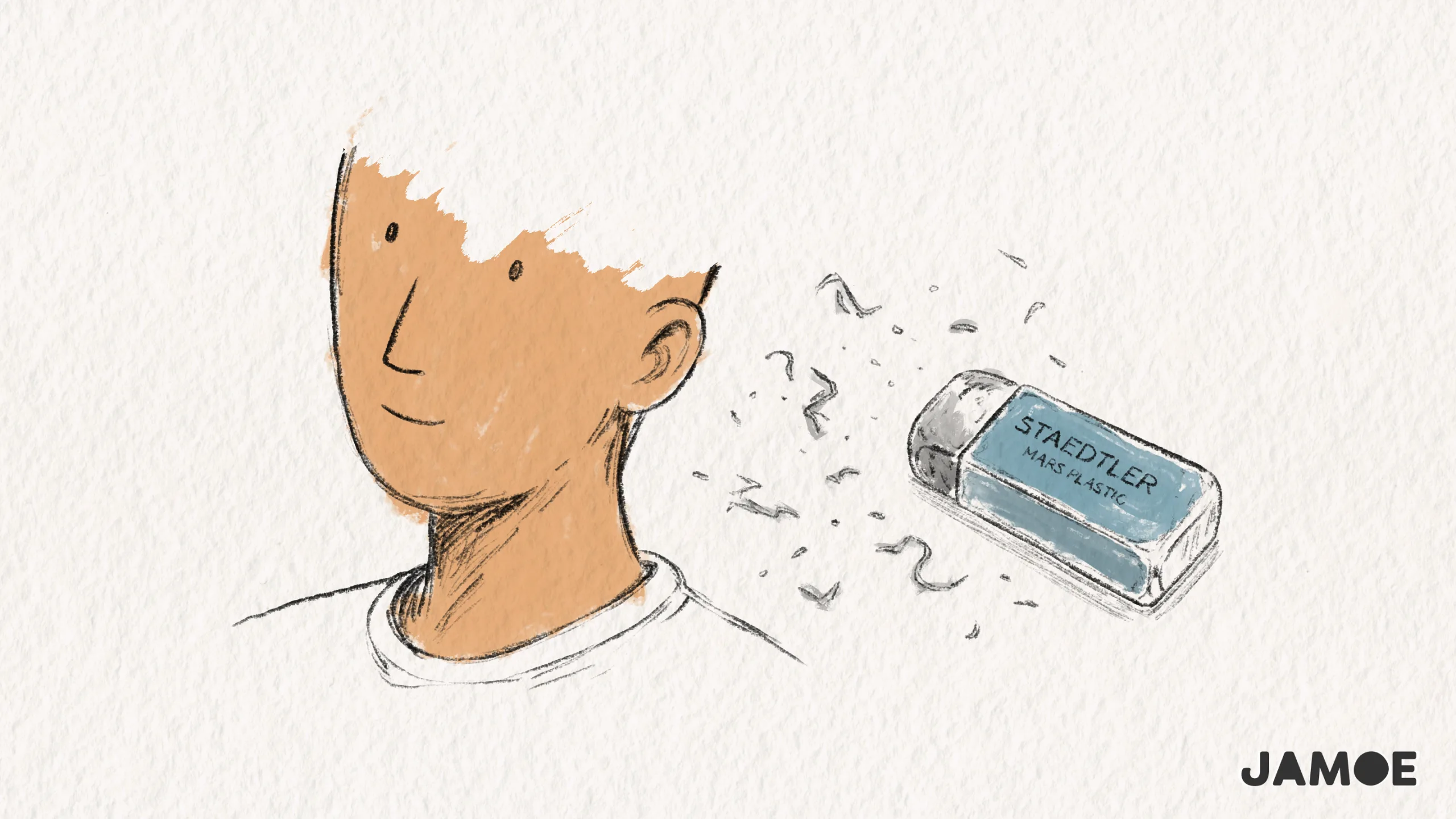
Getting stuck on a wrong answer and getting stuck on a grudge are the same failure in disguise. Here's the science, and three ways to force the redirect.
At a glance
Based on the reader question: Why do I keep circling back to the same wrong idea, and the same old grudge, and how do I actually let either one go?
- A mind that cannot forget, like Borges' fictional Funes or a real hyperthymesiac, loses the ability to abstract, generalise, and build workable ideas from experience, making total recall is a curse, not a gift.
- Getting stuck on a bad solution at work and getting stuck on an old grudge at night are the same underlying failure: an inability to disengage attention from something familiar and redirect it elsewhere.
- The fix transfers across both problems: force a second candidate before accepting the first, consult yourself as though you were someone else, and give unhelpful memories a proper, deliberate goodbye.
Nobody talks about the curse of the man who couldn't forget.
Stories & Reflections
The Fish's Tail
The lessons and progress from another three months of writing Jamie's Journal, and a revised editorial focus.
Last week, my friend was telling me about the time she prepared a fish for dinner.
She'd cleaned it, descaled it, and finally laid it down to chop off the tail. The thud of the blade shook loose a question: why do I cut off the tail?
Well, she thought, because that's what my mum did.
Unsatisfied, she called her mum, but that only thickened the mystery.
'My love, that's what your grandma did. I was simply copying her.'
Grandma was also a phone call away, so she gave her a ring.
'I'm sorry, dear. I have nothing new to share. I saw my mother doing it growing up and followed along.'
My friend was the product of a classic love story. Boy meets girl. Girl gets pregnant at 19. Boy and girl get married at the insistence of both pairs of parents (and probably a concealed firearm).
The upside to her parents' youth was that great-grandma was still alive, well, and only a short drive away.
'Great-grandma, why do you cut the tail off the fish?'
Favourite Finds
Things worth passing along.
Do you have a favourite find (ideas, books, quotes, purchases, etc.)? Share it here.
Glass Animals – Heat Waves | Aqua – My Oh My
One of the greats from 2020, and another from 1997. The latter is the lesser-known track from the group behind Barbie Girl. I can still remember closing the CD tray and dancing around the living room.
The UK’s butterfly boom (fun fact)
If you’ve been walking around the UK thinking you’re a Disney princess, you’re not alone. The warm, dry spring, combined with the ongoing hot weather, has been great for butterflies laying their eggs, which may be why you’ve been noticing more of the creatures fluttering about.
The urban heat island effect (fun fact)
Oxford Notes readers will know this one: London, like most urban areas, is much warmer than the rural areas surrounding it. This is called the urban heat island effect. It describes how cities trap and retain heat: tall buildings create a canyon effect, restricting cooling airflow; concrete and asphalt absorb and hold heat; and a lack of greenery removes the natural cooling effect caused by the moisture plants release into the air.
Other cities with significant urban heat island effects include Tokyo, Los Angeles, São Paulo and Delhi. Then there’s Singapore, which is both a city and an island, and experiences the urban heat island effect.
A bonus David Sedaris story (humour)
David Sedaris, a wry, sharp and often rude essayist – and one of my writing inspirations – was in London promoting his new book. I attended one of his readings at the Royal Festival Hall and laughed all night. Depending on your humour, you might enjoy one of the bonus diary entries he shared with us:
April 11, 2026, New York. ‘What do you need with all these pens?’ a woman asked me at a book signing. ‘They are the tools of my trade. I can’t believe you’re questioning them,’ I said. ‘That would be like me going to your place of work and asking, “What are you doing with all these condoms?”’
The whole evening was hilarious, so I also recommend the new book, The Land and Its People. If you’ve not read David Sedaris before, The Best of Me is a great starting point. You can also listen to his work online. Here’s 'Six to Eight Black Men' (and, despite the title, it’s sort of about Christmas)
The Darkroom
Things I've seen.