This Week: The speed of fun • Why your memories drift, and how to steer them • What a silent conductor taught me about a resilient quarter • A free Swiss Army knife app for your Mac and Jevons’ Paradox • The Darkroom
The Speed Of Fun
A few weeks ago, I found myself back at clown school. My first taste of clowning, a two-day workshop in June, had left my spirit glowing and my face aching from laughter.
Before I trigger any phobias: I'm not talking about horror clowns. Our faces weren't painted, our teeth weren't sharpened, and Stephen King had no reason to drag us into a storm drain.
I'm talking about clowning, the art form that uses vulnerability, timing, and physical comedy to spread laughter, reveal our shared humanity, and poke fun at life's absurdities. It's the craft of medieval jesters, Shakespeare's fools, Charlie Chaplin, Will Ferrell's Elf, and Rowan Atkinson's Mr. Bean.
Playing in this world of impish wonder left me buzzing for days. I told anyone with ears about the games I'd learned. I even talked a few other grown men into playing with me, all of us darting around St James's Park like kids in a playground, trying not to get assassinated by 'Mister Hit'. Some tourists filmed the lunacy. Somewhere online, there's no doubt a video of me diving to escape murder and startling a squirrel.
Hungry for more, I leapt at the chance to do a five-day intensive in a Camden attic with one of the legends of clowning, Christopher Bayes. He's smaller than I imagined, has a penchant for sleeveless tops and waistcoats, and wears a mop of loose, ashy curls that bounce when he laughs, which is often.
Chris has taught clowning for decades, at Yale, at Brown, and at his own studio in New York. This was his first time teaching in London, and word travelled: we even had a couple of Harry Potter actors join our class.
He gave us more ideas than I can fit into one piece, so I'll save the rest for later and start with my favourite: the speed of fun. It's changed how I move through the world, how I connect with others, and how I feel about myself.
In Chris's words, the speed of fun is 'faster than your worry and louder than your critic'. You're moving quickly enough that doubt and self-judgement can't catch you, but you're still alert to everything happening around you.
Don't confuse it with the speed of panic. That's when you move so fast you lose control: people blur, and nothing connects.
We've all felt the speed of fun, usually when we're lost in the sparkle of a game, our favourite song, or a gripping story. In those moments, we exist without the weight of our concerns.
Try it now. Imagine who you'd be without that weight. Feel your brow unfurl, your jaw loosen, your shoulders drop, and your buttocks unclench. Marinate in it. That's the lightness of moving at the speed of fun. Nothing about your situation has changed, yet you can meet it with a warmer, more open heart.
Since then, I've been bringing the speed of fun to everything I do, and I've learned it isn't really about moving faster. Speed is often the way in, but what matters is the tempo of your mind and spirit: a pace that keeps your thoughts nimble enough to dodge the thorns that would snag them.
It's liberating to tune into that tempo and keep time with it while doing chores, working, visiting the graveyard, seeing friends, and even when I caught the flu last week.
As Chris says, ‘when the potential for delight is greater than the panic of failure or the dread of disaster, we will have begun to find our way.’
Give it a try, and see how you sparkle.
Feel free to reply to this message or share your questions, requests, and favourite finds here.
Jamie | @JamoeMills
🌤 From a crisp autumn
Find a better way to solve problems that matter.
P.S. The monthly schedule for Jamie’s Journal continues as I work to finish a few big projects before 2027. Expect the next edition on the 8th November 2026.
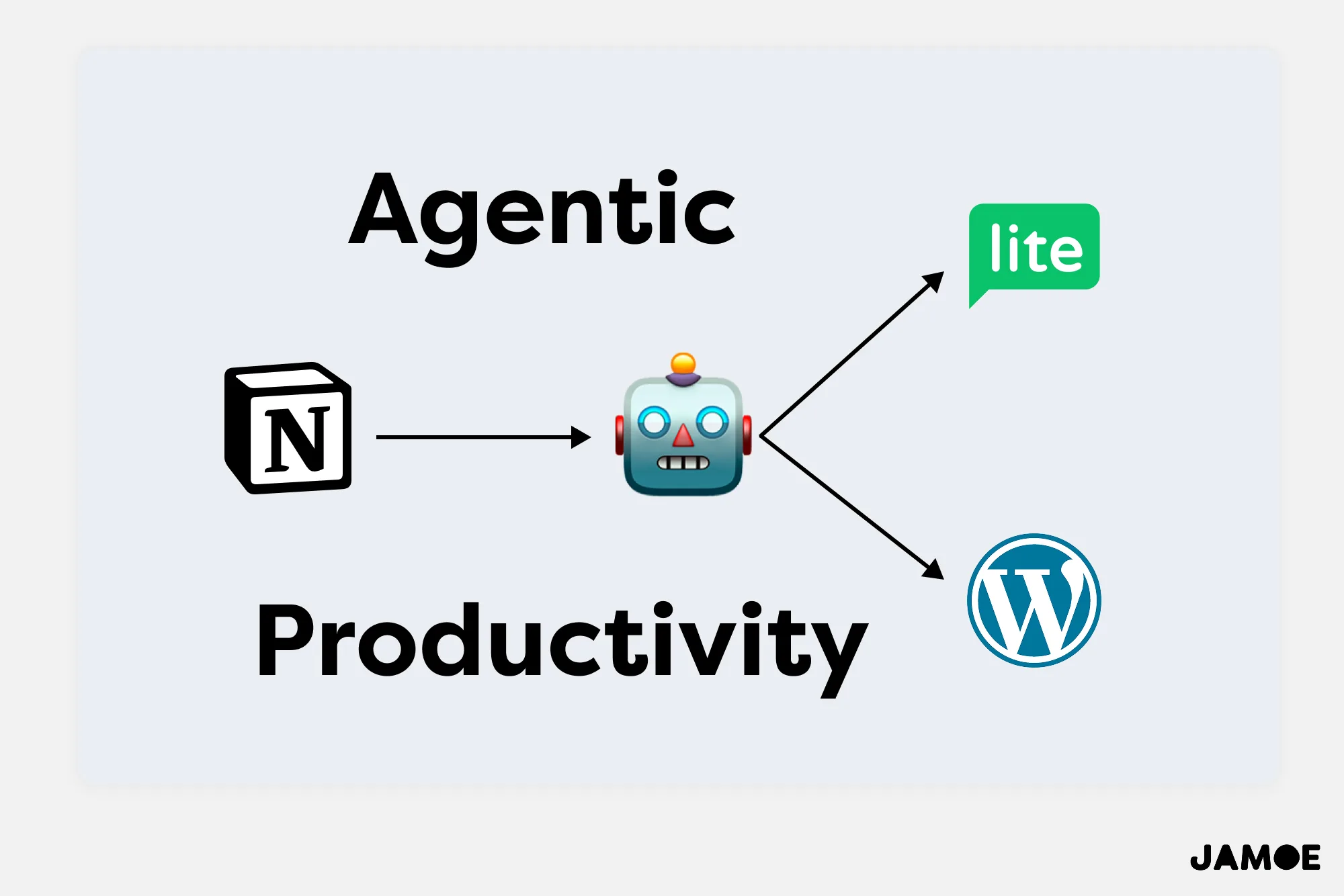
If you missed the last edition and would like to stay in the loop about my uncomplicated guides to using AI Agents, remember to click here. I’ll reach out next week to get things rolling.
Articles & Guides
How Our Memories Mislead Us
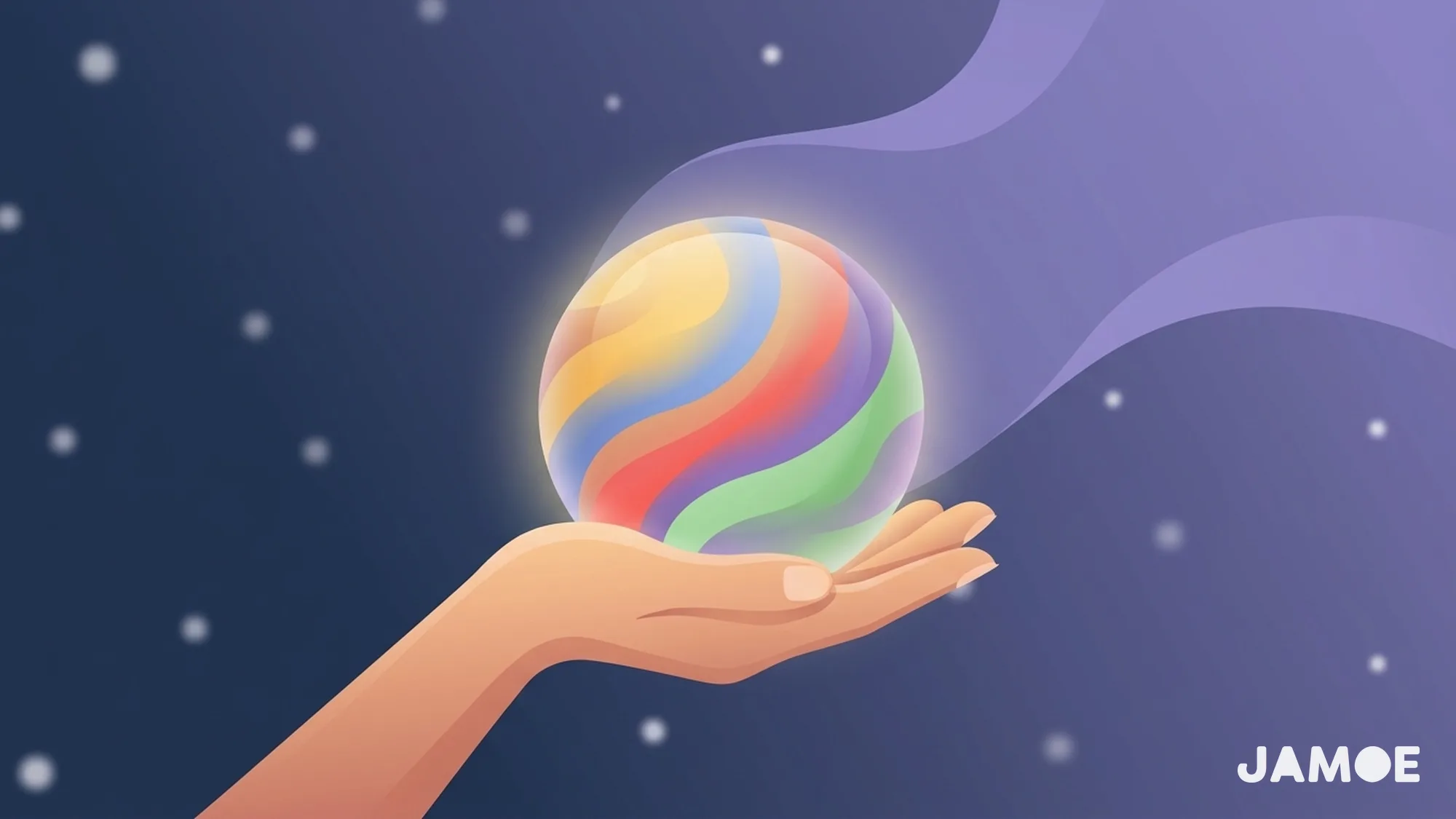
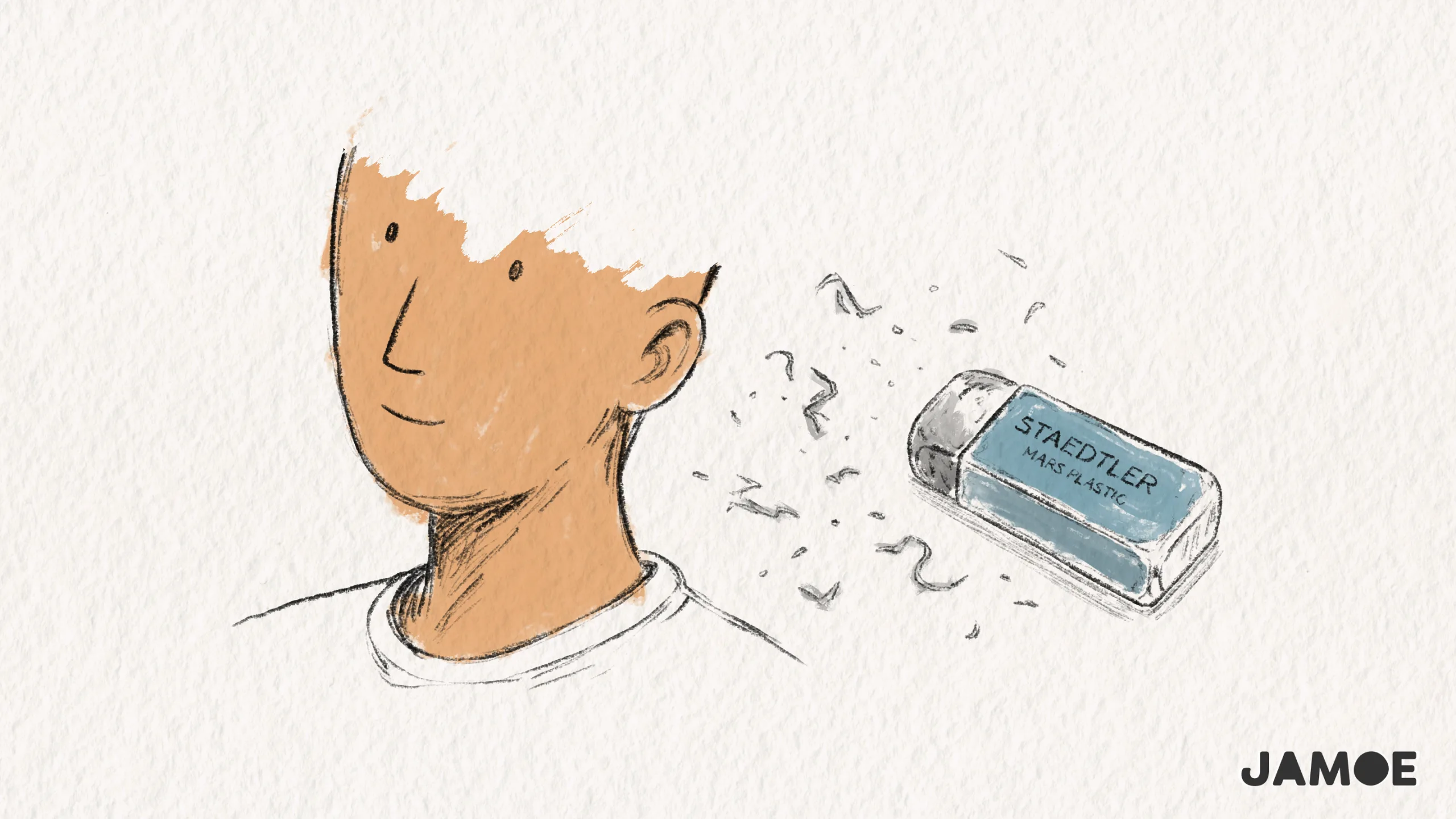
Memories aren’t replayed, they’re rebuilt, which is why the ones you keep revisiting can grow kinder or crueller. Here’s the science behind the drift, and five ideas for steering it.
At a glance
Reader question: I keep replaying a memory that either gets worse each time or still hurts years later. Is my memory broken, and can I do anything about it?
- Memory is rebuilt, not replayed: each recall is shaped by who you are now, so memories can become kinder or crueller.
- We ask too much of memory: it evolved to help us act and make sense of ourselves, not to archive reality.
- A memory’s weight isn’t fixed: how, when and with whom you revisit it may change how it feels, though the evidence is still early.
If you’ve ever replayed a joyful conversation until your recollection of it turns sour, you’ve met the problem this piece is about.
Stories & Reflections
Playing The Orchestra

Benjamin Zander realised a conductor makes no sound. A quarter of storms, grief and tinkering taught me what that might mean for a one-person business, and why everyone may soon have an orchestra.
Benjamin Zander had been conducting for nearly twenty years when a thought stopped him mid-wave.
The conductor doesn’t make a sound.
The violinists make a sound. So do the cellists, the flautists, and the man at the back who gets paid to hit a triangle twice a night. The conductor, meanwhile, stands at the front waving his arms, and yet it’s his picture on the CD cover.
So what is he actually for?
My Favourite Finds
Things worth passing along.
Do you have a favourite find (ideas, books, quotes, purchases, etc.)? Share it here.
Vorssaint (the everything app)
Vorssaint (like croissant, but with a ‘V’) is a free, open-source Mac app that calls itself ‘the modular Swiss Army knife for macOS’, and that’s an understatement. It bundles the little utilities most of us end up buying one by one – window snapping, per-app volume, clipboard history, Dock previews, Dynamic islands, a proper app uninstaller, and keep awake – behind a single menu bar icon.
The bit I like most is that it’s modular: you only install the tools you actually use, so there’s no bloat. There’s no account, no telemetry, and no subscription, and everything stays local on your Mac. If your menu bar is cluttered with single-purpose apps, this might be the tidy-up it needs.
I’ll be sharing more of my favourite productivity apps next issue, so stay tuned.
Bayes’ clowning book (life philosophy)
‘Discovering the Clown, or The Funny Book of Good Acting’ is Christopher Bayes’ book about clowning, but it’s also an insightful exploration of how to live life with more confidence, abandon, and authenticity, and less artifice, judgement, and self-doubt.
Bayes describes the clown as ‘the authentic, playful self’ – the naive, unsocialised part of us that just wants to have fun. For me, I loved how he reframes fear and failure. Rather than masking them, he invites you to lean in, because ‘the audience wants you to succeed’, and it’s our honesty and vulnerability, not our cleverness, that people warm to.
We all take to the stage, whether it be an interview, a date, or the supermarket, and the ideas in this book will help you find a home in the spotlight by tapping into your gifts of presence and play. Check it out.
Logging sick days in my calendar (new habit)
Whenever I get sick now, I log it in my calendar. It gives me a more honest view of what I’ve achieved, speed bumps and all. You could do the same for turbulent times, like heartbreak or bereavement.
Most of us set ourselves an unfairly high bar and ignore the context we exist in. We admire the trees that reach incredible heights, not the ones that had to grow around obstacles or weather storms. This new habit, however, gives me a better appreciation for how far I’ve come despite it all.
Somebody’s Watching Me by Rockwell (song)
A little bit of horror that might be a bit too close to home, with all the surveillance tech that’s spreading. The line that made me chuckle was: ‘Can the people on TV see me, or am I just paranoid?’ Well, after the recent allegations about LG TVs screenshotting what users are watching and recording ambient audio… err… yeah, Rockwell, your TV very well might be watching you. Happy Halloween!
Jevons’ Paradox and AI (economic prediction)
In 1865, the economist William Stanley Jevons noticed something counterintuitive. James Watt’s steam engine burned far less coal than the engines before it, so you’d expect Britain to use less coal. Instead, coal use soared. Cheaper power meant more factories, more railways and more engines. Efficiency didn’t shrink demand; it unleashed it.
That’s Jevons’ Paradox: when something becomes cheaper to use, we often end up using far more of it. Lighting is the classic example. Modern bulbs use a fraction of the energy of candles or gas lamps, yet we now light every room, street and even some toothbrushes.
I’ve been thinking about this in relation to AI. Running a model gets cheaper every year, so the obvious prediction is that we’ll need fewer programmers to do the work AI makes more efficient. Jevons suggests the opposite. When ‘thinking power’ becomes cheap, thousands of small ideas that were never worth building suddenly seem worth building: an AI-powered toothbrush, an internal tool, a niche app. The first of this list was actually launched earlier this year by Dyson.
For this, the real breakthrough isn’t bigger models but cheaper ones, running locally on hardware you own, with no token budgets rationing how much you can use. When the token meter stops running, usage explodes.
So I don’t expect AI to mean less work. I expect it to mean more things worth doing and a greater need for people who can decide which ones matter.
The Darkroom
Things I've seen.